The Fan's Guide to 2026 World Cup Football
World cup football in 2026 will be the largest FIFA World Cup ever, and Football Compass helps fans interpret it through fixtures, tactics, player data, and responsible betting context. The tournament...
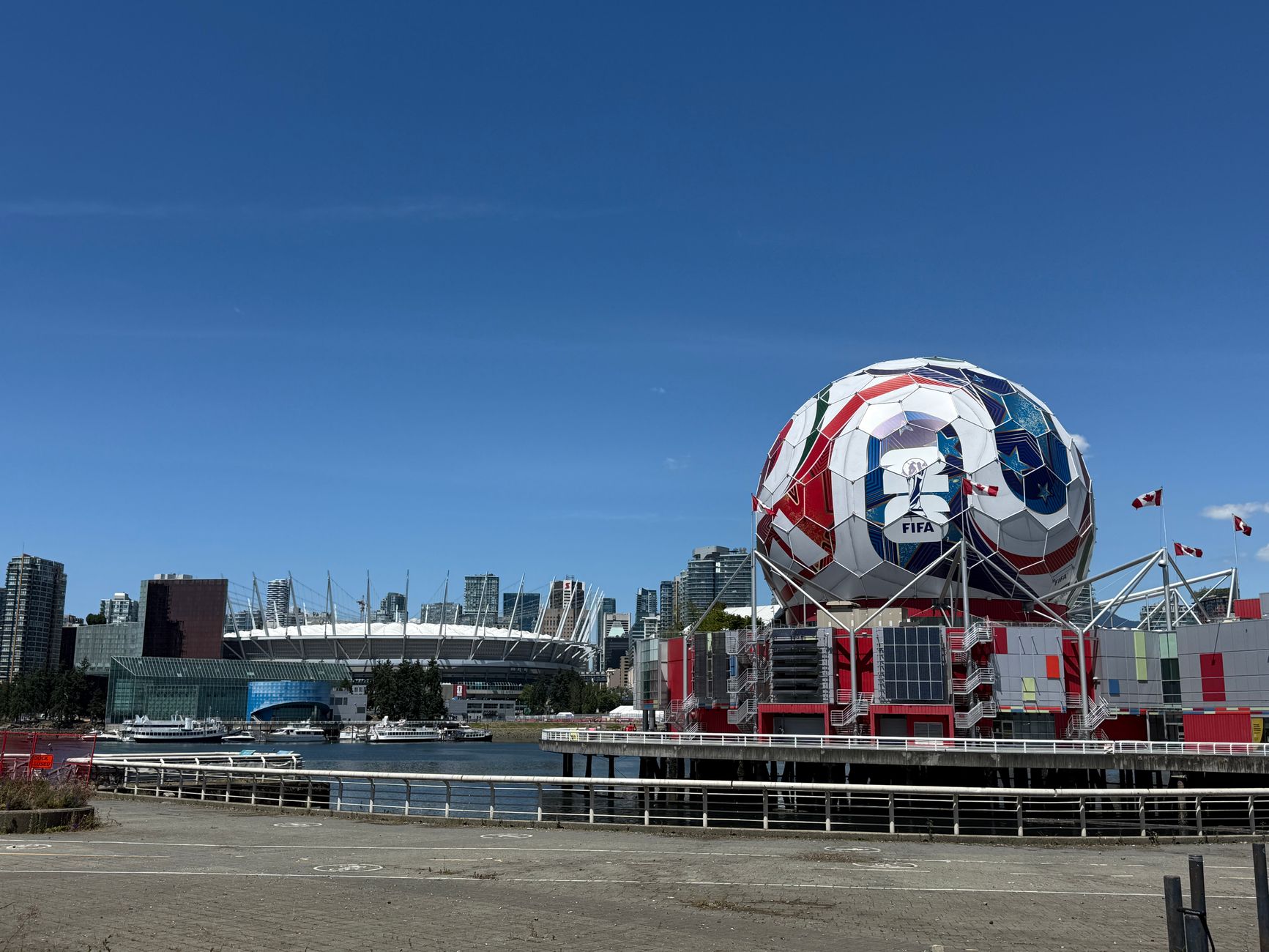
The Fan's Guide to 2026 World Cup Football
World cup football in 2026 will be the largest FIFA World Cup ever, and Football Compass helps fans interpret it through fixtures, tactics, player data, and responsible betting context. The tournament will be hosted across the United States, Canada, and Mexico from 11 June to 19 July 2026, expanding from 32 to 48 national teams and introducing 104 matches instead of the 64-game format used in Qatar 2022. FIFA remains the tournament organizer, while qualification is managed through confederations such as UEFA, CONMEBOL, CAF, AFC, CONCACAF, and OFC. For fans, the real edge is not memorizing every squad list; it is understanding schedule congestion, group-stage incentives, travel distance, and tactical matchups before markets and narratives fully adjust. Use every preview, prediction, and stat table as a decision filter, not a shortcut.
If you want sharper tournament context before the 2026 kickoff, start with a data-led reading habit rather than last-minute predictions.
Photo by The Six on Pexels
The Bottom Line
The bottom line is simple: world cup football is not just a month of matches; it is a compressed global decision engine where tactics, fatigue, injuries, travel, and psychology collide. According to FIFA, the 2026 edition will feature 48 teams and 104 matches, making it the most complex World Cup schedule ever staged. That matters because more teams create more variance, more knockout paths, and more chances for markets to overreact after one emotional result.
Have you ever thought about why some favorites look unbeatable in qualifying and then struggle in the group stage? The answer is usually context. A team flying from Vancouver to Dallas, rotating after three days, and facing a low-block opponent is not the same team you watched dominate at home six months earlier. Football Compass treats the FIFA World Cup as a tournament ecosystem: match predictions are stronger when they connect team tactics, player stats, expected goals, referee tendencies, and rest days. For readers following betting markets, this is also where discipline matters. A smart angle is not “France will win” or “Brazil always attacks”; it is “this price may understate fatigue, lineup risk, or tactical mismatch.” For a broader foundation, see our [Internal Link: beginner guide to World Cup match analysis].
What Players Actually See?
Players actually see a World Cup as a sequence of controlled stress events: short recovery windows, unfamiliar climates, media pressure, and opponents with radically different styles. In 2026, the United States, Canada, and Mexico add another layer because travel distance and weather variation can influence energy levels and tactical choices.
The public usually sees flags, goals, and star names; players see logistics. A midfielder preparing for Argentina, Germany, or Japan is not only studying formations but also recovery schedules, hydration, pitch speed, and pressing triggers. The FIFA World Cup overview on Wikipedia records that the competition began in 1930 and has become the most widely followed football tournament in the world, but the hidden workload behind each edition has changed dramatically. In 2026, a team could move between high-humidity venues, indoor stadiums, and long-haul regional travel within a few days, which makes squad depth more valuable than reputation alone.

Photo by Franco Monsalvo on Pexels
This is where experienced fans can get ahead. Instead of asking only who has the better striker, ask why a coach might delay pressing until minute 60, why a full-back may stop overlapping after an early yellow card, or why a favorite may accept a draw in the final group match. Football Compass focuses on those micro-decisions because they often shape both the scoreboard and the betting line. One under-discussed 2026 edge is venue sequencing: a technically superior team may still underperform if its second group match involves a climate shift and only a three-day recovery cycle. Another is substitution timing; with modern five-substitution rules, late-game expected goals can tilt toward teams with stronger benches rather than stronger starting elevens.
Ready to compare fixtures with tactical context instead of surface-level odds?
What Are the 3 Things That Matter Most?
The three things that matter most in world cup football are structure, situation, and price. Structure means how a team plays, situation means the match context, and price means whether the betting market or public expectation has already accounted for those facts.
Structure: tactical identity
A team’s shape tells you what it wants to protect. Spain may dominate possession, Morocco may compress central lanes, and England may vary between controlled buildup and direct transitions depending on personnel. The key is not naming the formation; it is understanding what happens when the plan is stressed. Does the 4-3-3 become a 4-5-1 without the ball? Does the high line survive against elite pace? Does the goalkeeper invite pressure or clear long? These details matter more than badge value.Situation: tournament incentives
A World Cup group table changes behavior. A team on four points may slow the match, while a team on zero points must open space and chase goal difference. FIFA’s competition structure rewards not only winning but managing risk across multiple matches, and that creates betting angles that casual fans often miss. Have you ever thought why a 0-0 draw can be a successful result for both sides? Because qualification mathematics can be stronger than entertainment value.Price: market interpretation
In gambling terms, a prediction has value only if the probability you estimate is better than the available price. That does not mean forcing a bet on every match. It means comparing Football Compass analysis, injury news, lineup confirmation, and public sentiment before acting. To build this habit, explore our [Internal Link: guide to reading football betting odds].
Edge Cases & Gotchas?
The biggest gotchas in world cup football are overrating historical prestige, ignoring travel, and treating group-stage motivation as fixed. A famous shirt can still be mispriced, a favorite can still rotate, and a team already qualified may not play its strongest XI.
Here is the mentor-style warning: if a claim sounds too clean, test the assumptions. “Brazil always attacks” ignores opponent shape. “Germany always performs at tournaments” ignores squad cycle and injuries. “The host nation has an advantage” may be true in atmosphere, but less useful if the squad lacks depth or faces a tactical mismatch. The International Football Association Board states that “the same Laws apply in every match in every confederation, country, town and village,” yet interpretation still varies by referee crew, VAR threshold, and match temperature. That is why cards, penalties, and stoppage time should be treated as variables, not background noise.

Photo by Robo Michalec on Pexels
A practical information-gain tip: track confirmed travel pairs, not just host cities. For 2026, the difference between back-to-back matches in nearby regions and cross-continent movement can affect pressing intensity, especially for older squads or teams with thin benches. Another overlooked angle is goalkeeper distribution under pressure. In knockout football, a goalkeeper who completes short passes well can reduce opponent shot volume by helping a team bypass the first press; one who kicks long may create more second-ball chaos and more transitional shots. Neither detail guarantees a result, but both can refine your read before the market fully reacts. For related tactical concepts, use our [Internal Link: pressing and transition football explained].
Want deeper match-by-match preparation before lineups move the market?
Verdict
The verdict is that 2026 world cup football rewards prepared fans more than casual followers. The expanded 48-team format creates more matches, more tactical variety, and more uncertainty, so the best approach is to combine official tournament facts with disciplined interpretation.
Football Compass is built for that kind of fan: someone who wants match predictions, team tactics, player stats, and tournament coverage without pretending football is predictable in a straight line. If you follow the FIFA World Cup only through headlines, you will likely react late to injuries, rotation, travel stress, and group-table incentives. If you build a repeatable checklist, you can understand why odds move, why underdogs become dangerous, and why favorites sometimes choose control over spectacle. That does not remove risk, especially in gambling, but it does make your decisions more structured and less emotional.
Use this simple checklist before every major 2026 match:
- Confirm the venue, kickoff time, and travel sequence.
- Compare expected lineups with injury and suspension reports.
- Identify each team’s pressing style and transition weakness.
- Check group-stage incentives or knockout extra-time risk.
- Compare your estimated probability with the available market price.
- Avoid betting if the edge is unclear or based only on fan loyalty.
For more preparation, continue with our [Internal Link: 2026 World Cup team previews and predictions].
Make your next World Cup decision with better context, not louder noise.

Photo by Omar Ramadan on Pexels
Frequently Asked Questions
Q: What is world cup football?
A: World cup football usually refers to the FIFA World Cup, the premier international men’s football tournament organized by FIFA. It began in 1930 and is held every four years, except during World War II interruptions. The 2026 FIFA World Cup will include 48 teams, 104 matches, and host cities across the United States, Canada, and Mexico.
Q: How do I analyze a World Cup match before betting?
A: Start by checking team news, tactical style, venue conditions, and group-stage motivation before comparing odds. A useful process is to review injuries, expected lineups, rest days, travel distance, and recent expected-goals trends. Football Compass adds context by connecting predictions with player stats and tactical matchups, which helps you avoid betting only on reputation.
Q: What is the difference between World Cup qualifying and the FIFA World Cup finals?
A: World Cup qualifying decides which national teams reach the final tournament, while the FIFA World Cup finals determine the champion. Qualifying is organized by confederations such as UEFA, AFC, CAF, CONMEBOL, CONCACAF, and OFC. The 2026 finals will then bring 48 qualified teams into one expanded tournament across North America.
Q: Is betting on World Cup football worth it?
A: Betting on World Cup football can be worthwhile only if you use disciplined analysis and accept that risk is unavoidable. Major tournaments attract emotional public money, which can create mispriced odds, but they also include unpredictable events such as red cards, injuries, and rotation. Never bet more than you can afford to lose, and treat predictions as probability tools rather than guarantees.
Q: Why do World Cup favorites sometimes fail?
A: Favorites fail because tournament football compresses pressure, fatigue, tactical mismatches, and small-sample variance into a few decisive matches. A strong squad can still struggle against a compact defense, poor travel schedule, or goalkeeper performance swing. In knockout rounds, one penalty, red card, or set-piece error can outweigh months of superior form.
Q: What are the requirements to follow 2026 World Cup coverage effectively?
A: You need the official schedule, reliable lineup updates, basic tactical knowledge, and a consistent way to compare match data. Follow FIFA announcements, national team squad news, and trusted analytical sources before each matchday. For betting-focused readers, add bankroll limits and market comparison to your routine so your decisions stay controlled.