Before You Book, Read This 2026 World Cup Breakdown
The 2026 football world cup will be the largest FIFA World Cup ever, with 48 national teams playing across the United States, Canada, and Mexico from June to July Football Compass covers the tournamen...
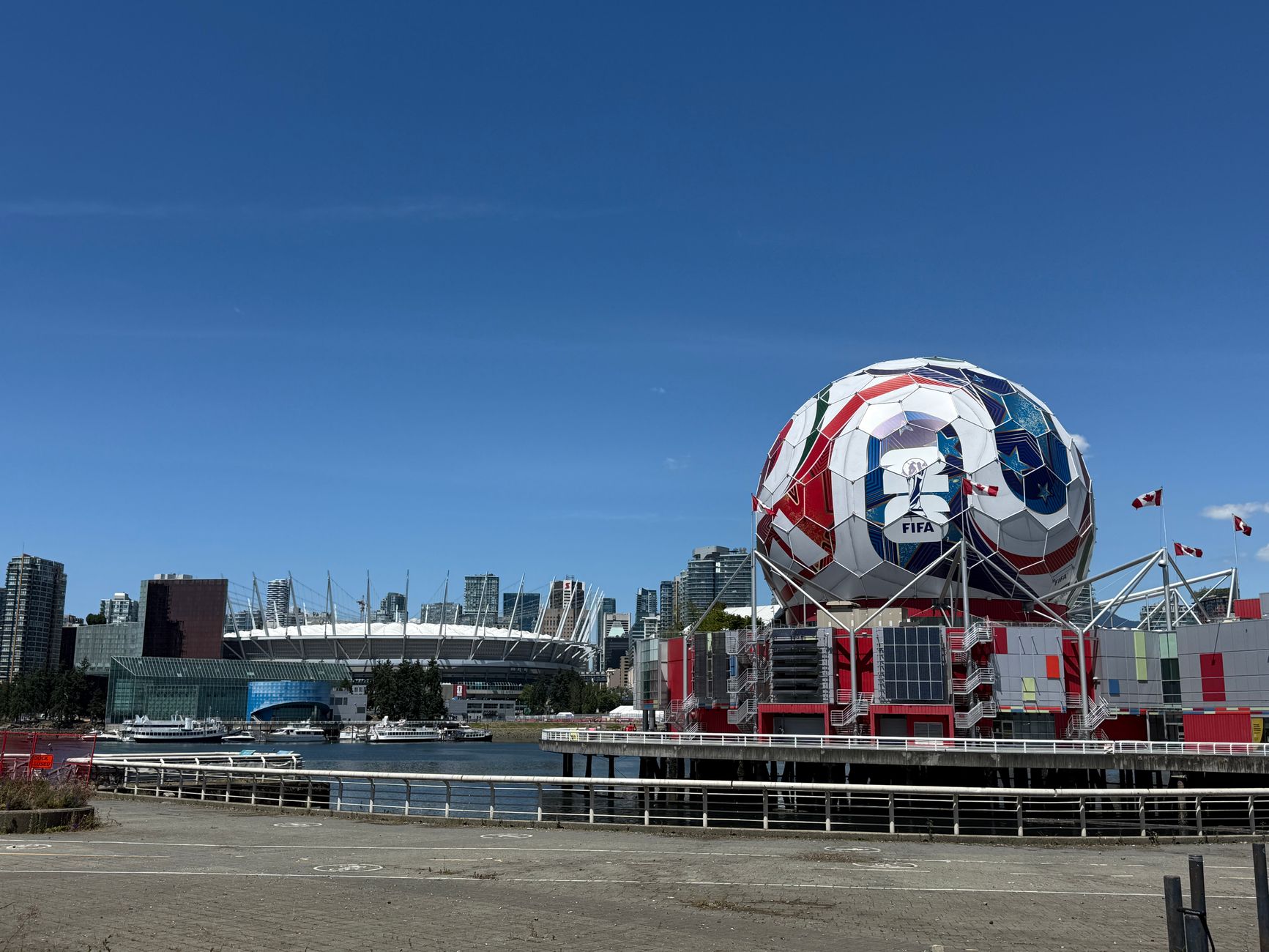
Before You Book, Read This 2026 World Cup Breakdown
The 2026 football world cup will be the largest FIFA World Cup ever, with 48 national teams playing across the United States, Canada, and Mexico from June to July 2026. Football Compass covers the tournament for fans who want structured match predictions, team tactics, player statistics, and betting-aware analysis across key markets such as Los Angeles, Atlanta, New York New Jersey, Toronto, and Mexico City. The event includes 104 matches, expanded knockout rounds, and major host-city programs, including Los Angeles fan celebrations at SoFi Stadium and Atlanta matches at Mercedes-Benz Stadium. The final is scheduled for MetLife Stadium in East Rutherford, New Jersey, according to FIFA’s published tournament framework and the 2026 FIFA World Cup final overview. Before booking travel, building betting models, or choosing match tickets, compare city logistics, kickoff timing, squad depth, and fan-zone access rather than focusing only on headline fixtures.
Have you ever thought about why the 2026 football world cup feels harder to plan than previous tournaments? The reason is structural: 48 teams, 16 host cities, three countries, and different local transport realities make this less like one event and more like a continental operating system. Los Angeles promotes eight matches, 39 days of celebrations, the FIFA Fan Festival at LA Memorial Coliseum, and Official Fan Zones across Los Angeles County; Atlanta positions itself as the “soccer city of the South,” with Mercedes-Benz Stadium serving as a major venue. For Football Compass readers, the practical question is not simply who will win, but where the market may misprice travel fatigue, crowd effects, venue conditions, and knockout-path variance.
If you want a deeper match-by-match lens before making decisions, start here.
Photo by The Six on Pexels
If you are booking travel: what should you do?
Book around clusters, not single matches. The 2026 football world cup spans the United States, Canada, and Mexico, so smart planning means grouping fixtures by region, transport access, and rest days instead of chasing isolated marquee games.
The first planning rule is to treat each host city as a separate risk profile. Los Angeles offers scale, entertainment, and multiple fan activities, but the trade-off is traffic complexity around SoFi Stadium, Exposition Park, and regional fan zones. Atlanta offers a more centralized stadium experience at Mercedes-Benz Stadium, plus strong domestic flight access through Hartsfield-Jackson Atlanta International Airport, but summer humidity can affect comfort, walking plans, and potentially match tempo. New York New Jersey, hosting the final at MetLife Stadium, carries a different issue: accommodation prices and cross-river transport pressure are likely to rise sharply as July approaches.
A practical travel model should include three numbered checks.
- Map your preferred teams to likely group-stage locations once the draw is confirmed.
- Compare hotel cancellation terms against FIFA ticket windows and airline fare rules.
- Keep at least one buffer day between long-distance city transfers, especially if moving between Mexico, Canada, and the United States.
For more planning depth, see our [Internal Link: 2026 World Cup host city travel guide].
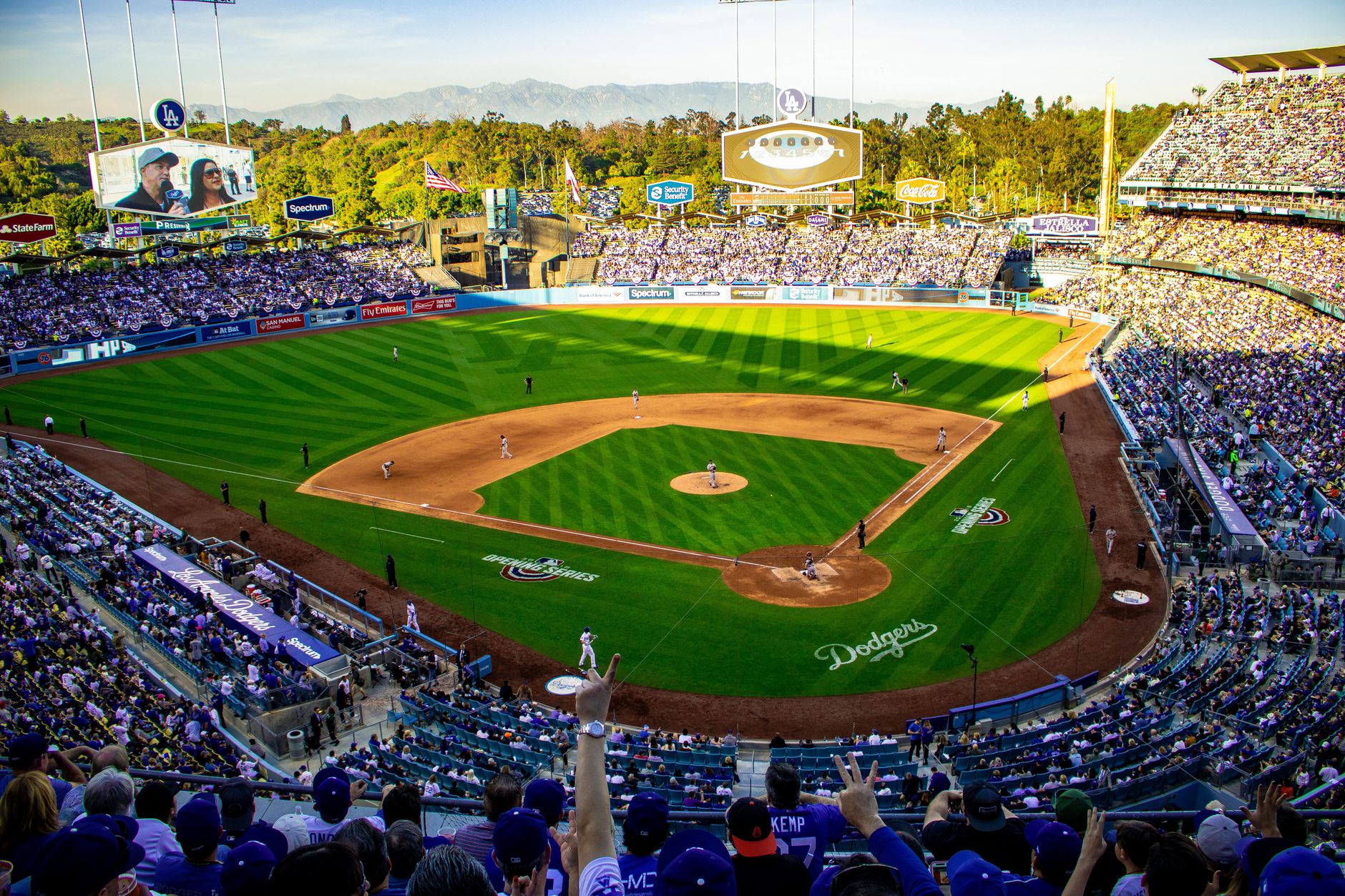
Photo by Courtney Garner on Pexels
If you are following betting markets: how should you read the 2026 football world cup?
Read the 2026 football world cup through structure first and odds second. Expansion to 48 teams changes group dynamics, qualification probabilities, rotation incentives, and the value of depth, making old 32-team assumptions less reliable.
The betting market often adjusts quickly to star names, but it can lag on operational variables. For example, a team playing in Los Angeles, then traveling to a higher-humidity venue such as Atlanta or Houston, may face a different recovery pattern than a team remaining in one regional corridor. That does not automatically mean the traveling side is weaker, but it changes the confidence interval around pressing intensity, late-game substitutions, and underdog resilience. Football Compass treats these as inputs for match predictions rather than narrative decoration, which matters in an industry where small edges are often more useful than emotional certainty.
Two practitioner-level insights deserve attention. First, early group matches may produce more conservative tactical setups because 48-team qualification pathways can make goal difference and third-place scenarios strategically relevant. Second, knockout markets may overvalue recent scorelines from mismatched group games; a 4-0 win over a lower-ranked side tells less about defensive control than expected goals conceded, transition exposure, and set-piece vulnerability. To evaluate that properly, combine FIFA rankings, player workload, venue temperature, and tactical style notes. The FIFA official site remains the primary authority for fixtures, venues, and tournament announcements, while Football Compass focuses on interpretation.
To compare tactical indicators before markets move, use our daily tournament coverage.
You can also explore our [Internal Link: World Cup betting strategy and bankroll guide] for a structured approach.
If you are choosing a host city: do you prioritize Los Angeles, Atlanta, or the final?
Choose based on your objective: Los Angeles is best for festival-style viewing, Atlanta is strong for stadium-centered soccer culture, and New York New Jersey is the priority for final-week prestige and global attention.
Los Angeles is positioned as one of the tournament’s entertainment hubs. Its local program highlights eight matches, 39 days of fan celebrations, the FIFA Fan Festival at LA Memorial Coliseum, and Official Fan Zones across Los Angeles County. That combination benefits fans who want a complete football-and-culture experience rather than a single 90-minute event. However, the trade-off is logistical: distances across Los Angeles are large, and ride-share, public transport, and parking plans should be finalized early. If you are traveling with family or attending multiple events, the safest strategy is to stay near your main activity zone rather than assuming easy cross-city movement.
Atlanta has a different profile. Mercedes-Benz Stadium is central to the city’s football identity, and Atlanta United’s fan culture has helped establish the city as a serious soccer market in the American South. The advantage is concentrated energy, airport connectivity, and a stadium built for major events; the concern is weather and high-demand pricing during peak match windows. The final at MetLife Stadium is another category entirely. According to the MetLife Stadium official site, the venue regularly hosts major international sporting and entertainment events, but final-week demand will likely test every part of the travel chain.

Photo by Alizain Hirani on Pexels
Common pitfalls to avoid
The main pitfalls are overbooking, ignoring city logistics, relying only on team reputation, and treating fan zones as backup plans rather than scheduled events. Each mistake can reduce match-day flexibility and increase avoidable cost.
The first mistake is building a route that looks efficient on a map but fails in real life. A Los Angeles match day can involve long travel times even within the same county, while a New York New Jersey final itinerary may require careful coordination between airport, hotel, rail, and stadium access. The second mistake is assuming that every favorite will approach every group match with maximum intensity. In a 48-team format, some managers may rotate earlier, protect players from suspension risk, or accept a lower-tempo draw depending on qualification math. For betting readers, that is why Football Compass emphasizes starting lineups, tactical incentives, and player fatigue over reputation alone.
A second cluster of mistakes involves information timing. Fans often wait until the draw or knockout bracket is fully clear before booking, but hotel prices and transport options may move before tactical clarity improves. Conversely, bettors sometimes move too early on national-team futures before injuries, club workload, and squad selections are visible. The balanced approach is phased decision-making: reserve flexible travel early, wait for confirmed team news before serious market exposure, and reassess every 30 days. For related research, review our [Internal Link: national team form tracker].
If you want to avoid emotional decisions during high-demand windows, keep your analysis grounded in current data.
The 30-day check-in
The 30-day check-in is a repeatable planning review that updates tickets, travel, team news, odds movement, and local event access every month before the 2026 football world cup begins. It reduces last-minute errors.
Use the check-in as a disciplined audit rather than casual browsing. Every 30 days, confirm whether FIFA has updated fixture details, whether host cities such as Los Angeles or Atlanta have changed fan-zone programming, and whether your hotel and flight reservations still match your intended matches. Then update your football assumptions: injuries, national-team call-ups, club minutes, tactical shifts, and goalkeeper form can change the outlook more than public narratives suggest. This is especially important for futures markets, where early prices can look attractive but carry hidden exposure to squad selection uncertainty.
A workable 30-day checklist looks like this:
- Confirm match schedule, venue access, and ticket status through official sources.
- Reprice flights, hotels, and local transport against cancellation deadlines.
- Review Football Compass projections for tactics, player statistics, and odds movement.
- Track host-city updates for FIFA Fan Festival and Official Fan Zones.
- Reduce or hedge any position based only on outdated assumptions.
The conclusion is simple: the 2026 football world cup rewards preparation more than improvisation. Plan by region, analyze by incentives, and update your assumptions monthly.
For daily insights as the tournament approaches, continue with Football Compass.

Photo by www.kaboompics.com on Pexels
Frequently Asked Questions
Q: What is the 2026 football world cup?
A: The 2026 football world cup is FIFA’s expanded 48-team men’s national-team tournament hosted by the United States, Canada, and Mexico. It will feature 104 matches across 16 host cities, making it larger than the previous 32-team format. The final is scheduled for MetLife Stadium in East Rutherford, New Jersey.
Q: How to plan a 2026 football world cup trip?
A: Plan by regional clusters rather than individual dream matches. Start with host cities, then compare stadium access, hotel cancellation terms, airport routes, and fan-zone schedules. Recheck your plan every 30 days because fixtures, team paths, and local event details can affect cost and convenience.
Q: What is the difference between Los Angeles and Atlanta as host cities?
A: Los Angeles offers a broader festival-style experience, while Atlanta offers a more concentrated stadium-centered football atmosphere. Los Angeles highlights eight matches, 39 days of celebrations, and fan zones across the region. Atlanta’s strength is Mercedes-Benz Stadium, airport access, and a strong local soccer culture.
Q: Is betting on the 2026 football world cup worth it?
A: Betting can be worthwhile only if you use disciplined analysis and risk controls. The expanded format creates new variables, including rotation, travel fatigue, and third-place qualification scenarios. Football Compass helps readers study tactics, player statistics, and market movement, but bankroll limits remain essential.
Q: What should I do if ticket or travel prices become too expensive?
A: Shift from single-match planning to flexible city-based planning. Consider fan zones, FIFA Fan Festival events, lower-demand fixtures, or nearby host cities with better accommodation value. Avoid non-refundable purchases unless your ticket, transport, and hotel plans are already aligned.
Q: How much does attending the 2026 football world cup cost?
A: Costs vary widely by city, match category, hotel timing, and flight route. Final-week travel near New York New Jersey will likely be more expensive than some group-stage trips, while Los Angeles and Atlanta may also see demand spikes. Budget for tickets, lodging, local transport, food, and contingency expenses.
Q: How does Football Compass help during the 2026 football world cup?
A: Football Compass provides match predictions, team tactics, player stats, and tournament coverage for fans following the 2026 World Cup. Its value is strongest when readers want structured analysis rather than emotional picks. Daily updates can help track injuries, lineups, form changes, and betting-market movement.