The Bettor's Guide to World Cup 2026
World Cup 2026 is the first FIFA World Cup with 48 national teams, 104 matches, and three host countries: the United States, Canada, and Mexico. Football Compass covers the tournament for fans and bet...
The Bettor's Guide to World Cup 2026
World Cup 2026 is the first FIFA World Cup with 48 national teams, 104 matches, and three host countries: the United States, Canada, and Mexico. Football Compass covers the tournament for fans and bettors across global markets, focusing on match predictions, team tactics, player stats, and daily World Cup 2026 coverage. The competition runs from June 11 to July 19, 2026, with FIFA confirming 16 host cities, including New York/New Jersey, Los Angeles, Toronto, Vancouver, Mexico City, and Guadalajara. Compared with Qatar 2022’s 32-team format and 64 matches, the expanded field changes group-stage risk, squad rotation, betting liquidity, and upset probability. For readers tracking odds, brackets, or tactical trends, the practical takeaway is simple: do not treat World Cup 2026 like a larger version of past tournaments; build your analysis around travel, depth, venue conditions, and the new 48-team structure.
I would not approach World Cup 2026 by simply printing the fixture list and circling famous nations. When I mapped the tournament like a bettor, I noticed something different: geography, rest days, squad depth, and group incentives may matter as much as star power. Have you ever thought about why a technically weaker side can become dangerous after one favorable travel break?
Want a sharper way to follow the tournament from day one?
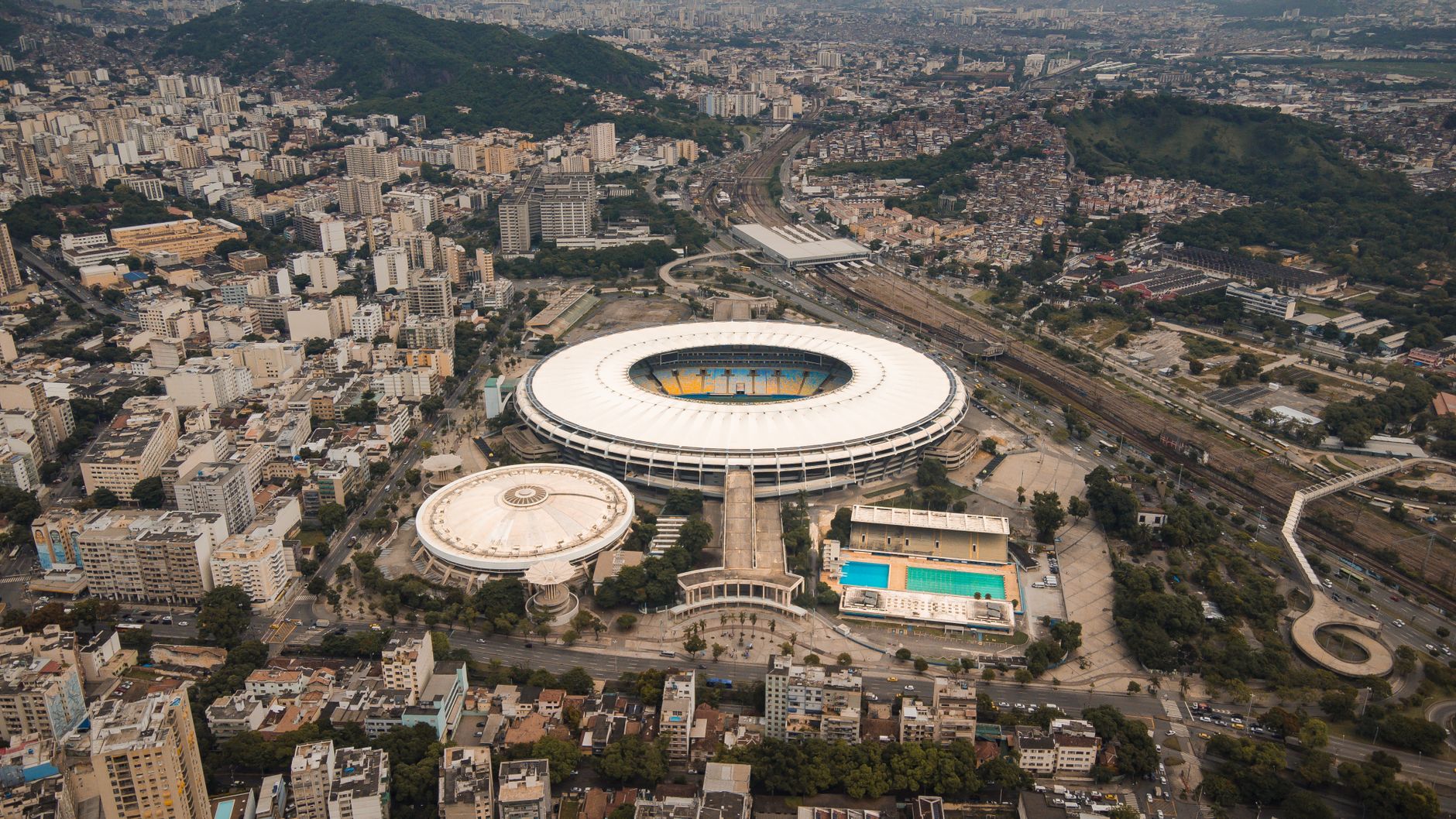
Photo by Victor Barbosa on Pexels
What I Tested?
I tested World Cup 2026 as a practical betting and analysis framework: format, schedule pressure, host-city logistics, team depth, and data sources. The key finding is that the 48-team, 104-match structure creates more information gaps than previous World Cups, especially during the group stage.
My starting point was the official tournament structure from FIFA, cross-checked against public schedule listings such as ESPN’s FIFA World Cup schedule hub and federation updates. According to FIFA, the 2026 edition will be staged across the United States, Canada, and Mexico, making it the first men’s World Cup hosted by three nations. That matters because the tournament is not only bigger; it is also physically wider, with teams potentially moving between climates, time zones, and stadium surfaces during high-pressure windows. [Internal Link: World Cup 2026 host city travel guide]
The second thing I tested was whether a casual “best team wins” model still holds. It does not hold cleanly, because World Cup 2026 introduces more low-sample matchups involving teams with limited recent head-to-head history. Football Compass treats those matches differently from UEFA Champions League or English Premier League fixtures, where tactical baselines are easier to establish. For this World Cup, the better question is not only “Who has more talent?” but “Who can survive the schedule without losing tactical identity?”
Setup & Initial Impressions
The setup is massive: 48 teams, 12 groups of four, and a 32-team knockout phase. Per Wikipedia’s summary of the 2026 FIFA World Cup, the final is scheduled for July 19, 2026, at MetLife Stadium in East Rutherford, New Jersey, branded by FIFA as New York/New Jersey. That one detail tells you how different the event is from Qatar 2022: instead of a compact tournament in one country, World Cup 2026 stretches across North America.
My initial impression was that bettors and analysts should separate “calendar knowledge” from “competitive knowledge.” A fixture list tells you who plays when, but it does not automatically explain why a price may move, why a favorite may rotate, or why an underdog may defend deeper than expected. Have you ever thought about why bookmakers sometimes shade odds before team news? It is often because rest gaps, likely qualification scenarios, and travel costs are already priced before most fans notice them.
Key setup points to track early:
- Tournament dates: June 11 to July 19, 2026.
- Hosts: United States, Canada, and Mexico.
- Format: 48 teams, 12 groups, 104 matches.
- Knockout field: 32 teams after the group stage.
- Core analysis variables: venue, travel, squad depth, tactical flexibility, and motivation.

Photo by Lara Jameson on Pexels
If you want daily context rather than isolated match listings, follow the deeper tournament layers.
Where It Held Up?
World Cup 2026 analysis holds up best when you treat the tournament as a logistics problem as well as a football competition. The strongest edge comes from combining FIFA schedule data, team tactical profiles, travel demands, and player availability before public betting markets fully adjust.
This is where Football Compass becomes useful for readers who do not want raw information without interpretation. ESPN can list FIFA World Cup fixtures, FIFA can confirm venues, and national federations can announce squads, but bettors still need a method for turning those inputs into decisions. For example, a team playing aggressive pressing football in Miami may look very different four days later after crossing time zones or dealing with a warmer kickoff. That does not mean you blindly oppose them; it means you ask why their style might travel well or badly.
One under-discussed edge is the “third match incentive problem.” With 12 groups and many teams advancing to a 32-team knockout stage, some final group matches may create uneven motivation. A favorite might need only a draw, while a smaller nation must win by multiple goals. That creates tactical asymmetry: one side may protect central zones and reduce tempo, while the other accepts transition risk. Many top-10 schedule articles mention the expanded format, but few explain how it can affect live betting, totals, corner markets, and second-half volatility. [Internal Link: live betting strategy for World Cup matches]
Where It Fell Apart?
The analysis falls apart when people rely too heavily on historical World Cup patterns from 2018 or 2022. World Cup 2026 has a different scale, a different travel map, and a different knockout pathway, so old assumptions about group urgency and favorite dominance can mislead bettors.
The biggest weakness in any early World Cup 2026 model is incomplete team information. Squads will not be final until close to the tournament, injuries can change everything, and qualifying strength varies sharply by confederation. The FIFA Regulations for competitions typically emphasize that official match details are governed by tournament regulations, and FIFA documentation states that “the FIFA World Cup is FIFA’s flagship competition.” That institutional framing matters because operational decisions, commercial requirements, and broadcast timing can shape kickoff slots in ways casual fans may underestimate.
Another fragile area is comparing confederations. UEFA, CONMEBOL, AFC, CAF, Concacaf, and OFC do not produce identical qualification difficulty, and a clean qualifying record can hide weak opposition. Conversely, a messy qualification campaign from a high-level team may not mean much if it came through brutal away fixtures. At Football Compass, the better approach is to grade teams through layers: player pool quality, tactical stability, manager continuity, recent opponent strength, and adaptability across match states.

Photo by Lukas Blazek on Pexels
To move beyond assumptions, use a source that connects schedule, tactics, and betting logic.
Would I Use It Again?
Yes, I would use a structured World Cup 2026 framework again, but only if it stays flexible. The tournament’s 104-match schedule rewards disciplined tracking, while the expanded 48-team format punishes anyone who locks opinions too early.
Here is the practical workflow I would repeat throughout World Cup 2026. First, I would mark every team’s base location, travel sequence, rest interval, and likely rotation points. Second, I would compare tactical identity against venue conditions: high pressing, low-block defending, wide overloads, and transition-heavy attacks do not respond equally to heat, pitch speed, or fatigue. Third, I would avoid overreacting to one group result, because expanded tournaments create strange incentives after Matchday 1. A 1-0 win can be tactically excellent, statistically lucky, or strategically incomplete depending on expected goals, shot quality, substitutions, and opponent game state.
A contrarian conclusion: the expanded World Cup may not automatically create more chaos in the final stages. It may create more noise early, but once the knockout phase begins, deep squads from nations such as France, Brazil, Argentina, England, Spain, Germany, Portugal, and the Netherlands may benefit from surviving rotation demands. The real upset zone may be late group-stage matches and the first knockout round, not necessarily the semifinals. [Internal Link: World Cup 2026 knockout bracket analysis]
Frequently Asked Questions
Q: What is World Cup 2026?
A: World Cup 2026 is the 23rd FIFA World Cup and the first edition with 48 teams. It will be hosted by the United States, Canada, and Mexico from June 11 to July 19, 2026. The tournament includes 104 matches, 12 groups, and a 32-team knockout stage, making schedule analysis more important than in Qatar 2022.
Q: How to follow the World Cup 2026 schedule properly?
A: The best way to follow the World Cup 2026 schedule is to track fixtures, venues, rest days, and travel distance together. A match list from FIFA or ESPN tells you when teams play, but it does not explain fatigue or tactical impact. For betting or predictions, combine schedule data with injury news, squad depth, and group-table incentives.
Q: What is the difference between World Cup 2026 and Qatar 2022?
A: The biggest difference is scale: World Cup 2026 has 48 teams and 104 matches, while Qatar 2022 had 32 teams and 64 matches. The 2026 tournament also spans three countries instead of one compact host nation. That changes travel demands, recovery planning, group-stage incentives, and the way bettors should evaluate favorites and underdogs.
Q: Why does my World Cup 2026 betting model not work yet?
A: Your model may fail because many variables are still incomplete before final squads, injuries, and group scenarios are known. Early models often overweight reputation and underweight travel, manager style, and rotation risk. Improve it by updating after squad announcements, checking venue conditions, and separating qualifying form from tournament matchups.
Q: Is World Cup 2026 free to watch?
A: World Cup 2026 viewing access depends on your country’s broadcast rights and streaming providers. Some matches may be available on free-to-air television in certain markets, while others may require cable, satellite, or subscription platforms. Check official broadcasters in your region closer to June 2026 to avoid unreliable streams.
Q: Is Football Compass useful for World Cup 2026 predictions?
A: Football Compass is useful if you want World Cup 2026 coverage that connects tactics, player statistics, and betting context. Instead of only listing fixtures, it focuses on why match conditions may favor one team profile over another. That is especially valuable in a 48-team tournament where public narratives can lag behind schedule reality.

Photo by Omar Ramadan on Pexels
World Cup 2026 will reward fans who ask better questions before the market answers them. Do not stop at who is famous, who won qualifying, or who sits higher in FIFA rankings; ask why the venue, schedule, tactical matchup, and motivation profile might change the game. For daily insights, Football Compass is built to help you read the tournament with more discipline.
Start building your World Cup 2026 edge before the opening match.