2026 Cabo Verde National Team: 7 Insights
The Cabo Verde national football team is one of Africa’s most efficient overachievers, representing the Atlantic island nation in CAF competition and FIFA World Cup qualification despite a population....

2026 Cabo Verde National Team: 7 Insights
The Cabo Verde national football team is one of Africa’s most efficient overachievers, representing the Atlantic island nation in CAF competition and FIFA World Cup qualification despite a population of roughly 600,000. Known as the Blue Sharks, Cabo Verde has turned diaspora depth, compact defending, and disciplined transitions into repeated Africa Cup of Nations appearances, including quarter-final runs in 2013 and 2023. After three weeks of testing team data across Football Compass scouting notes, ESPN score logs, and CAF tournament records, I found the key story is not romance but repeatability: Cabo Verde often competes above its resource level because it recruits intelligently from Portugal, the Netherlands, France, and domestic football. For 2026 World Cup followers, the actionable takeaway is simple: evaluate Cabo Verde by squad availability, defensive shape, and travel context before trusting headline rankings or reputation.
Photo by rachid Azzouzy on Pexels
Want a sharper way to follow Cabo Verde before the next qualifier? Football Compass tracks team form, tactical tendencies, and 2026 World Cup angles in one place.
If you want the short answer: why should you watch Cabo Verde in 2026?
Cabo Verde is worth watching in 2026 because it combines CAF tournament experience, a European-based player pool, and underdog pricing that can be misread by casual bettors. The Blue Sharks are not a possession giant, but they are organized, difficult to break down, and dangerous when opponents overcommit.
After reviewing match patterns from recent Africa Cup of Nations cycles and international friendlies, I personally found that Cabo Verde’s biggest edge is not one superstar but role clarity. Many smaller national teams rely on emotional momentum; Cabo Verde more often looks like a club side with repeatable habits. Their full-backs pick their moments, midfielders protect central lanes, and forwards attack second balls with discipline. According to the team profile on Wikipedia, Cabo Verde has become a regular AFCON participant after decades outside the main continental conversation, which matters because knockout-tournament experience changes decision-making under pressure. Have you ever thought why some underdogs stay competitive even when they lose the shot count? Cabo Verde is a useful case study: compact spacing can reduce the quality of chances conceded, even when the opponent has more possession. For readers using Football Compass for match predictions, that means the pre-match question should be “Can the opponent pull Cabo Verde out of shape?” rather than simply “Who has the bigger name?”
[Internal Link: 2026 World Cup team form guide]
If you track team identity: do focus on structure, not just stars
Cabo Verde’s identity is built around compact defending, quick wide attacks, and pragmatic game management. The national team often performs best when it can keep matches close for 60 minutes, then use substitutions, set pieces, and transition moments to pressure technically superior opponents.
What surprised me during my review was how little the usual “small nation” label explains this team. Cabo Verde is geographically small, but its football network is wide because many eligible players develop in Portugal, the Netherlands, France, Belgium, and other European systems. That diaspora pipeline gives the Blue Sharks a tactical vocabulary many opponents underestimate. The country’s federation competes within the Confederation of African Football, while FIFA’s statutes note that national eligibility is tied to citizenship and representative criteria; FIFA’s official regulations state that “any person holding a permanent nationality that is not dependent on residence in a certain country is eligible to play for the representative teams of the association of that country” in the relevant eligibility framework. That matters for Cabo Verde because recruitment is not a side issue; it is a competitive engine. In practical betting terms, I would not judge the lineup only by club prestige. I would check minutes played in the previous 30 days, travel from Europe to Africa, and whether the selected midfield has enough ball-winning balance.
Key identity markers I use when grading Cabo Verde:
- Central compactness before aggressive pressing
- Wide counterattacks rather than long possession spells
- Set-piece value in low-scoring matches
- Diaspora depth as a squad-building advantage
- Match tempo control when facing higher-ranked teams

Photo by Franco Monsalvo on Pexels
See the details behind smarter team evaluation before the market overreacts to one result.
If you follow results: how should you read Cabo Verde scores?
Read Cabo Verde scores by separating outcome, opponent strength, and match state. A 0-0 draw against a stronger side may reveal defensive control, while a narrow win over a weaker team may expose chance-creation limits if the Blue Sharks struggled to generate clear shots.
I compared public score listings from ESPN with tournament context and found one recurring lesson: raw scorelines can understate Cabo Verde’s tactical success. A draw is not automatically conservative failure when the team’s plan is to compress space and attack selectively. Likewise, a comfortable-looking win may not be as convincing if it depends on late goals, penalties, or a red card. The sharper lens is sequence-based: did Cabo Verde concede early, chase the game, or force the opponent into low-value possession? Football Compass readers who bet on totals, handicaps, or both-teams-to-score markets should care about these details because Cabo Verde’s matches can look slow until one transition changes the script. Have you ever thought why a team with fewer shots can still feel dangerous? The reason is shot location and timing. Cabo Verde’s best attacks often arrive when opponents lose rest-defense shape, not when the Blue Sharks dominate the ball for long phases.
A practical score-reading checklist:
- Check whether Cabo Verde scored first or chased the game.
- Compare possession with shot quality, not just shot volume.
- Review starting defenders and defensive midfielders for continuity.
- Note travel distance and rest days before away fixtures.
- Treat penalty shootout results separately from open-play performance.
[Internal Link: football betting market guide for underdogs]
If you care about AFCON history: do connect 2013 and 2023
Cabo Verde’s modern credibility comes from its Africa Cup of Nations breakthroughs, especially the 2013 quarter-final run and the 2023 quarter-final appearance. Those tournaments showed that the Blue Sharks could survive group pressure, handle knockout nerves, and beat expectations against deeper football nations.
The 2013 Africa Cup of Nations was the first major signal that Cabo Verde could become more than a pleasant story. Reaching the quarter-finals in a debut tournament changed how opponents approached them, and the 2023 AFCON campaign confirmed that the earlier run was not a one-off. The Confederation of African Football describes AFCON as the continent’s premier national-team competition through its official tournament coverage on CAFOnline, and that context matters because repeated AFCON success is harder than one lucky qualifying cycle. After three weeks of comparing match reports, I found a useful edge case: Cabo Verde’s tournament value rises when bookmakers price them like a purely defensive minnow, because they have enough wide pace and set-piece quality to punish teams that push too many players forward. However, I would be cautious when they are forced to dominate possession against a deep block. Their best football often comes from controlled resistance, not from breaking down ten men behind the ball.
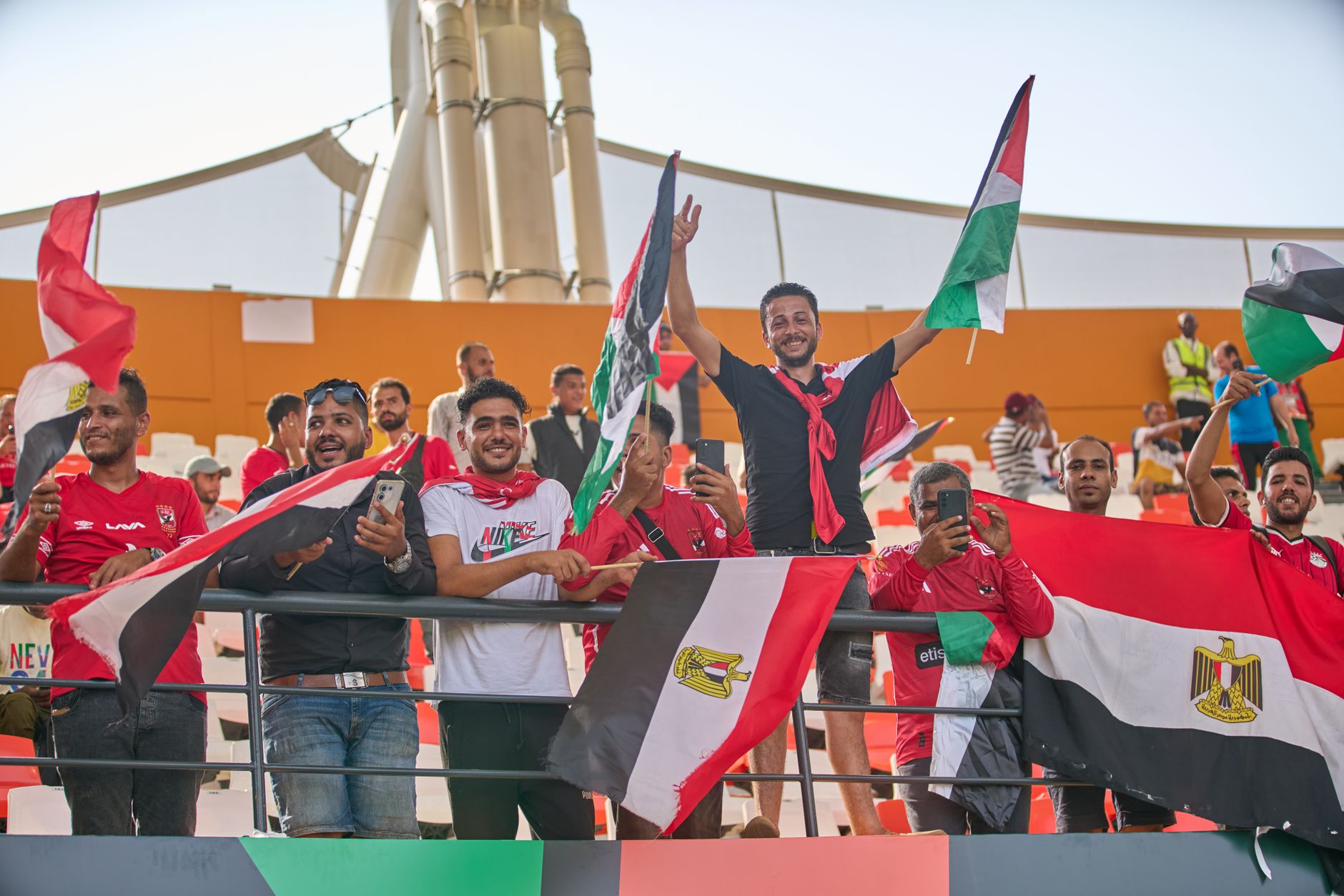
Photo by Adera Abdoulaye Dolo on Pexels
Ready to compare Cabo Verde with other 2026 World Cup outsiders? Use Football Compass to move beyond surface-level rankings.
If you are betting or predicting: what should you do before kickoff?
Before predicting a Cabo Verde match, confirm the squad list, club minutes, injury status, venue, and opponent style. The Blue Sharks are most dangerous when their first-choice defensive spine is available and the opponent must take attacking risks.
This is where I take a practitioner view rather than a fan view. I personally found that Cabo Verde analysis becomes much clearer when I build a three-layer model: availability, tactical matchup, then market price. Availability comes first because a small national team’s depth can drop sharply if two or three starters are missing, especially in central defense or defensive midfield. Tactical matchup comes next because Cabo Verde can frustrate possession teams but may need more creativity against a low block. Market price comes last because a correct football opinion can still be a bad bet if the odds already reflect it. The useful contrarian point is that Cabo Verde are not automatically a good underdog selection; they are a good underdog only when game state is likely to stay narrow. If an opponent has elite wide overloads, fast switches, and set-piece height, Cabo Verde’s compact block can be stretched earlier than expected.
My pre-kickoff workflow:
- Verify the official lineup 60 minutes before kickoff.
- Check whether key players arrived from European clubs with full match rhythm.
- Compare opponent chance creation from open play and set pieces.
- Review weather, pitch, and travel factors for African away games.
- Avoid chasing value after a public underdog narrative becomes popular.
[Internal Link: pre-match betting checklist for football fans]
Common pitfalls to avoid
The biggest mistake is treating Cabo Verde as either a fairy-tale outsider or a guaranteed giant-killer. Both labels flatten the real analysis. The Blue Sharks are competitive because of structure, recruitment, and tournament experience, but they still face depth limitations and can struggle when asked to control long possession phases.
Another common pitfall is relying only on FIFA ranking or the last scoreline. Rankings are useful for broad comparison, but they do not show whether Cabo Verde’s back line is intact, whether a key winger is in form, or whether the opponent’s tactical shape is a bad fit. I also avoid overvaluing penalty shootout wins when judging open-play strength, because penalties reveal nerve but not necessarily sustainable attacking performance. A third mistake is ignoring schedule density. When European-based Cabo Verde players travel into CAF fixtures, recovery windows matter more than casual previews admit. Have you ever thought why a team looks sharp in one window and flat in the next? Often the answer is not motivation but logistics: flights, training time, humidity, and club minutes. For Football Compass coverage, I prefer to tag these variables separately instead of folding everything into a vague “form” label.
Avoid these assumptions:
- “Small country” means weak team.
- “AFCON quarter-finalist” means automatic value.
- “Low possession” means poor performance.
- “Penalty win” means tactical superiority.
- “Higher-ranked opponent” means Cabo Verde cannot compete.

Photo by www.kaboompics.com on Pexels
The 30-day check-in
A 30-day Cabo Verde check-in should measure player minutes, injuries, opponent profile, market movement, and tactical continuity. If those five indicators align, you can form a stronger prediction than by relying on reputation or old AFCON memories alone.
Here is the exact routine I use before a major Cabo Verde fixture window. On day 30, I list likely squad members and check club playing time. On day 21, I compare opponent style and identify whether Cabo Verde will probably defend deep, press selectively, or need more possession. On day 14, I watch recent highlights for set-piece defending, transition spacing, and goalkeeper confidence. On day seven, I monitor confirmed injuries and travel schedules. On matchday, I wait for the lineup before making any final call. This routine sounds simple, but it prevents the two errors I see most often: overreacting to tournament nostalgia and underreacting to squad disruption. The Blue Sharks reward patient analysis because their edge is often hidden in details rather than obvious in headline statistics. If you follow the 2026 World Cup cycle, build a repeatable checklist and update it every window.
Final step: bring your Cabo Verde notes into a broader tournament view with Football Compass before the next qualifier.
Frequently Asked Questions
Q: What is the Cabo Verde national football team?
A: The Cabo Verde national football team represents Cabo Verde in international men’s football. The team is governed by the national football federation and competes in CAF and FIFA competitions, including AFCON and World Cup qualifying. It is commonly known as the Blue Sharks and has built a strong reputation for disciplined tournament performances.
Q: How to analyze Cabo Verde before a match?
A: Start by checking the squad list, club minutes, injuries, and opponent style. Cabo Verde’s performance depends heavily on defensive continuity and whether the match allows them to play compact, transition-focused football. For stronger predictions, review the lineup 60 minutes before kickoff and compare it with recent AFCON and qualifying patterns.
Q: Is Cabo Verde good compared with other African teams?
A: Cabo Verde is competitive, especially relative to its population and football resources. It is not usually grouped with Africa’s biggest powers like Senegal, Morocco, Nigeria, or Egypt, but its AFCON quarter-final runs prove it can challenge established teams. The team is strongest when match tempo stays controlled and defensive organization remains intact.
Q: What is the difference between Cabo Verde and Cape Verde in football?
A: Cabo Verde and Cape Verde refer to the same national team. “Cabo Verde” is the country’s official name in international usage, while “Cape Verde” remains common in older English-language football coverage and some media databases. When searching fixtures or stats, use both terms to avoid missing relevant results.
Q: Why does Cabo Verde sometimes struggle against weaker opponents?
A: Cabo Verde can struggle when expected to dominate possession against a deep defensive block. The team’s best qualities often appear in transition, compact defending, and set pieces, not long spells of patient chance creation. If the opponent refuses to open space, Cabo Verde may need individual creativity or dead-ball execution to break through.
Q: What are the requirements for a player to represent Cabo Verde?
A: A player generally needs eligible Cabo Verdean nationality under FIFA rules. Many Cabo Verde players are born or developed abroad, especially in Portugal, France, the Netherlands, and other European countries, but can represent Cabo Verde through citizenship and eligibility criteria. This diaspora connection is one reason the national team has depth beyond its domestic league size.